What Is Activewear Fabric Technology?
Activewear fabric technology is the engineered fibres, weaves, and finishes designed to make your workout gear perform harder, feel better, and tread lighter on the planet.
Think moisture-wicking finishes, breathable weaves, and stretch that actually bounces back instead of sagging by lunch. For leggings, this fabric technology decides whether your favourite pair survives burpees, squats, and a hundred wash cycles without pilling, fading, or going see-through mid-lunge (we've all been there, no judgment).
Functional fabric adoption has climbed sharply heading into 2026 as the fashion industry and sportswear industry chase the same goal from different angles. Brands are done choosing between performance and sustainable materials. They want both, in the same yarn, and consumer demand is the reason why.
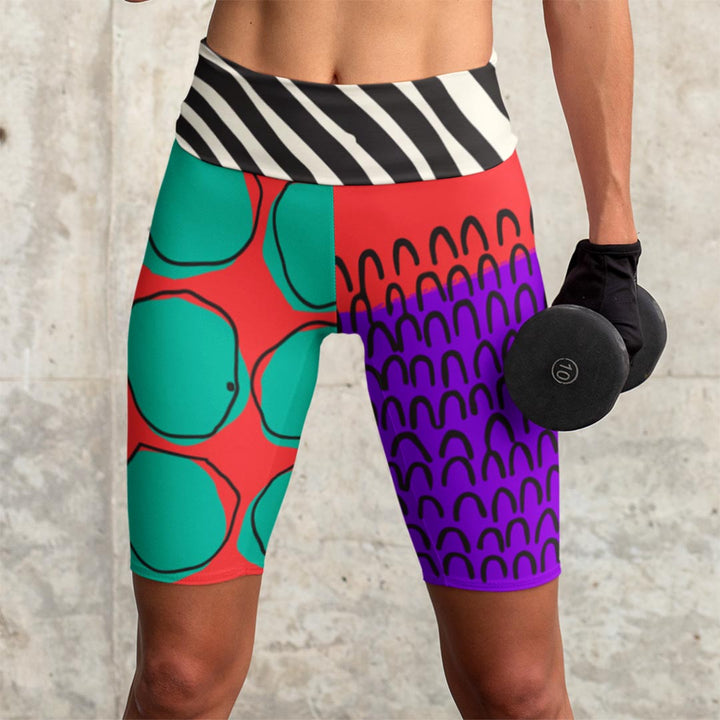
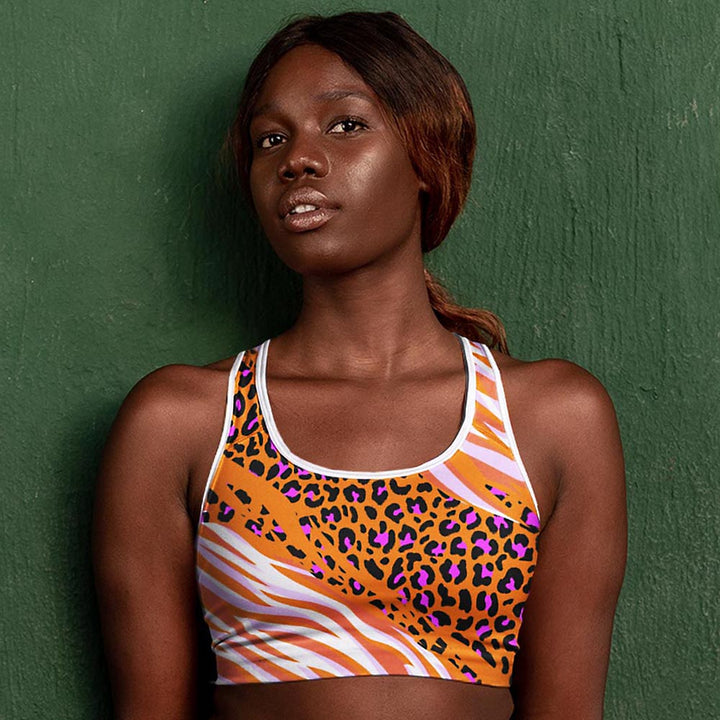
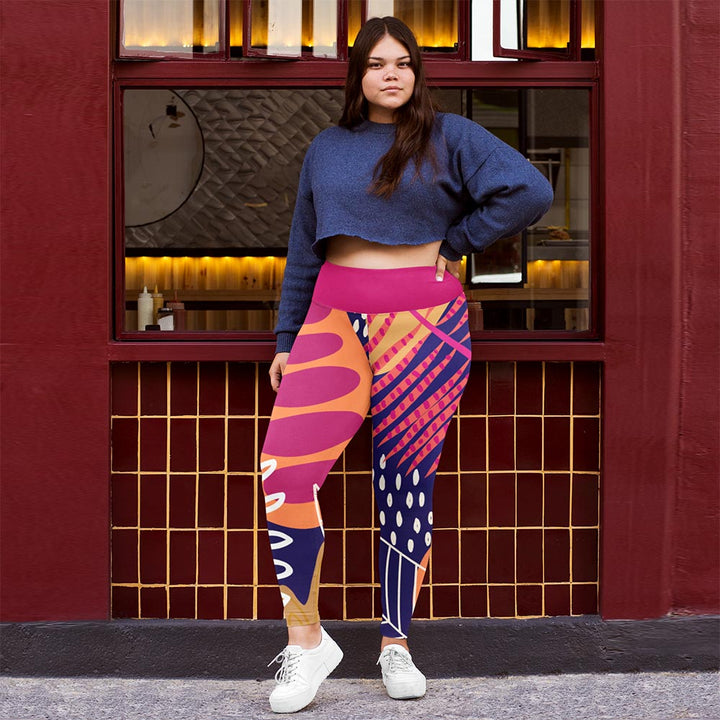
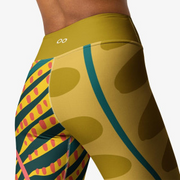
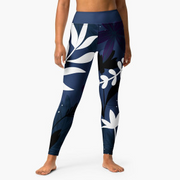
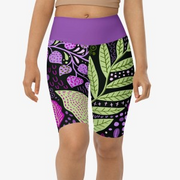
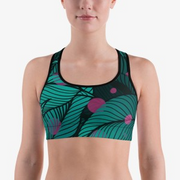
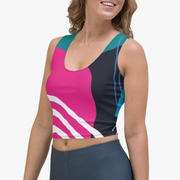
Synthetic fibers like nylon, polyester, elastane, and spandex are still doing the heavy lifting, though natural fiber options such as organic cotton are earning a bigger seat at the table too. Loony Legs builds its entire printed leggings collection on exactly this kind of fabric innovation, because a great print deserves a fabric that can keep up. It's one of the more innovative activewear fabric technology brands doing this well, and here's the breakdown of the tech making it happen.
Why Loony Legs Customers Care About Fabric Innovation
Our customers care about soft, breathable, durable fabric just as much as they care about a print that makes them grin mid-deadlift. Both things matter. Neither one is optional.
Real reviews prove it. Shoppers describe the fabric as "super smooth" and rave that the "colours are very vibrant," wash after wash.
That feedback tells us people notice touch and texture, not just pattern. Breathability during hot yoga and durability through repeat washing are top of mind for fitness enthusiasts, which is exactly why Loony Legs leans on eco-friendly inks like NeoPigment water-based printing and biodegradable packaging.
Fabric feel and print longevity aren't separate conversations. They're the same one, and it leads straight into the bigger sustainability story shaping the whole industry.
1. Moisture-Wicking and Sweat-Management Fabrics
Moisture-wicking fabric pulls sweat away from the skin through capillary action, so it evaporates from the fabric's outer surface instead of pooling in your waistband like a tiny swamp.
Yes, it really works. Narrow, hollow fibre structures wick sweat far more efficiently than flat, dense ones.
That's why polyester, nylon, and elastane blends have become the standard combo for performance wear. Each fibre brings its own strength to the sweat-fighting party:
-
Polyester dries fast and resists shrinking, the reliable workhorse of gym leggings and t shirts alike.
-
Nylon adds a silky, stretchy feel while still pulling moisture outward.
-
Polypropylene repels water at the fibre level, keeping the inner layer dry through high intensity workouts.
-
Elastane blends add stretch without dulling the wicking action of the base fibre.
Moisture wicking isn't limited to leggings either. It shows up in sports bras, base layers, and protective gear built for serious cardio. Once sweat is handled, the next challenge is body temperature itself.l ,
2. Thermal-Adaptive and Temperature-Regulating Textiles
Thermal-adaptive fabric responds to body temperature. It cools you down when you're hot and holds warmth when you're not, giving you adaptive comfort no matter what the workout was throws at you.
HeiQ Smart Temp is the star player here. It uses hydro-functional polymers that trigger a cooling effect the second sweat touches the fabric.
-
Phase-change materials work on a similar idea. They absorb and release heat to keep your body steady through interval training or an unpredictable outdoor run.
-
These fabrics matter because your body's heat output is never constant during exercise, and textile engineering has had to catch up fast. Static fabric just can't keep pace. Temperature control pairs naturally with the stretch and recovery engineering covered next, because a legging that regulates heat still needs to move with you.
Graphene-Infused Fibres for Self-Regulating Warmth
Graphene fibres conduct heat and cool the skin thanks to unusually high thermal conductivity, plus handy anti-static properties.
One clinical study on graphene compression garments even found the material reduces fatigue and improves aerobic endurance among wearers by supporting healthy muscle activity during exertion. It's still a niche fibre, but a genuinely promising one for brands looking to stay competitive.
3. Four-Way Stretch and Compression Knit Engineering
Four-way stretch fabric moves both horizontally and vertically, then bounces right back to its original shape instead of bagging out at the knees after squat number twelve.
This stretch-and-recovery quality is exactly what makes compression leggings feel supportive without ever feeling like a straitjacket. Four-way stretch knit technology has come a long way heading into 2026 thanks to better manufacturing methods.
GSM (grams per square metre) is one of the key metrics that directly affects how much compression you get. Higher GSM means firmer support for heavy lifting sessions.
-
Spandex and elastane do the heavy lifting behind the scenes, giving biker shorts and squat-proof leggings their signature snap-back fit. Comfort and support only matter if the print and fabric are built to last too, which brings sustainable fabrics into the spotlight.
|
Fabric Technology |
Primary Benefit |
Best For |
|
Moisture-wicking polyester blend |
Sweat evaporation, dry feel |
High-intensity gym sessions |
|
Thermal-adaptive/HeiQ Smart Temp |
Body temperature regulation |
Variable-intensity or outdoor training |
|
Four-way stretch spandex/elastane |
Compression, shape recovery |
Yoga, squats, high-movement flows |
|
Antimicrobial/silver-ion treated fabric |
Odor resistance |
Extended wear, all-day athleisure |
|
Recycled polyester (rPET) |
Sustainability, reduced waste |
Eco-conscious shoppers |
4. Antimicrobial and Odor-Resistant Finishes
Antimicrobial activewear fabric uses silver-ion or natural fibre treatments to stop odor-causing bacteria before they even get comfortable.
Silver-ion technology eliminates up to 99.9% of those bacteria. This kind of odor resistant finish used to be a fancy add-on. In 2026, it's the baseline everyone expects, and consumer expectations have shifted right along with it.
Good news for the skin-conscious among us: antibacterial fabric is completely safe for everyday clothing. Quality treatments hold up through dozens of washes without needing constant reapplication.
Merino wool and treated nylons like CLEANFIL bring natural or engineered odor resistance to the mix. That means your leggings stay fresh from the morning gym run straight through school pickup, no sneaky mid-day sniff test required.
Freshness technology works hand in hand with the recycled materials driving activewear's sustainable shift.
5. Sustainable and Bio-Based Fabric Innovation
Sustainable activewear fabric is made from recycled, bio-based, or plant-derived fibres like rPET, Tencel, or bio-based nylon. These reduce environmental impact and shrink the environmental footprint of every garment without asking you to sacrifice performance.
Recycled polyester (often made from old plastic bottles) and bio-based nylon have gone from niche to mainstream fast in 2026. Consumer demand for lower environmental impact is driving that shift hard, and brand positioning around sustainable innovation has become a genuine competitive edge rather than a nice-to-have.
Lycra EcoMade now replaces up to 70% of the petroleum content found in virgin polyester and traditional spandex. The Tencel and lyocell market is projected to double to $3.4 billion by 2032, as more brands move away from virgin polyester and conventional cotton toward supply chains built around waste products and recycled fibre rather than fresh raw material.
And no, eco-friendly leggings don't skimp on durability. When the fibre blend and construction are done properly, they hold up just as well as regular leggings made from cotton or standard synthetic fibers. GOTS and GRS certification give shoppers a way to check the claims instead of just trusting a label.
[Shop Funky Patterned Leggings]
How Loony Legs Applies Sustainable Fabric Practices
Loony Legs uses eco-friendly, water-based NeoPigment inks and biodegradable packaging across every printed legging, helping the brand reduce waste at every stage of production.
This water-based NeoPigment ink is free of heavy toxins, formaldehyde, and Alkylphenol Ethoxylates. That keeps every print non-toxic and fully biodegradable.
Orders even arrive in corn starch mail packaging. It's a small detail, but it's proof the brand puts its money where its mouth is on sustainability rather than just talking about new technologies.

6. Smart Textiles and Sensor-Embedded Fabrics
Smart activewear fabric has soft, washable sensors built right in. They monitor key metrics like heart rate, body temperature, or posture while you work out, generating real data points along the way.
These active smart textiles respond and transmit data in real time, unlike passive smart textiles that simply react to their environment. Integrated health monitoring is where things get genuinely useful, and systems like Myant's Skiin already track ECG and stress levels continuously. Haptic feedback garments go a step further, buzzing gently to correct your yoga posture mid-pose.
The best part? Smart fabrics are fully washable. The embedded sensors and electronic components are built to survive regular laundry days, not just careful hand washing.
AI-driven material development is even predicting fibre behavior now, turning raw data points into actionable insights that create products with better fit before a single sample gets woven. Sensor tech remains a premium niche for now, but its seamless WHOLEGARMENT knitting methods are already shaping mainstream printed leggings and moving mass production toward smarter, less wasteful patterns.
Which Fabric Technology Is Right for Your Workout?
The best legging fabric depends on what you're doing. Moisture-wicking blends suit high-intensity training, four-way stretch suits yoga and flexibility work, and recycled or bio-based fabrics suit everyday, eco-conscious wear.
You don't have to pick a side anymore between sustainable and performance-first. Most 2026 blends deliver both, and that's exactly why this feels like a genuine new era for the industry rather than a passing trend.
Match your fabric to your movement:
-
Choose moisture-wicking polyester or nylon blends for high intensity workouts and cardio.
-
Pick four-way stretch spandex or elastane for yoga, squats, and deep-flexibility flows.
-
Opt for antimicrobial or silver-ion fabric when back-to-back gym sessions leave no time for laundry.
-
Go for recycled polyester or Tencel-based fabric for everyday athleisure and errands.
-
Select thermal-adaptive fabric for outdoor training with unpredictable temperature swings.
Looking For High-Quality, Ethical Gym Wear?
At Loony Legs, we pride ourselves on providing gym clothing that balances style with sustainability, comfort and practicality. Our range of funky patterned leggings, sports bras, stretchy tees and more are made from premium quality materials specifically designed for your comfort and flexibility - so you can always feel your best.
Check out our full range of ethically made gym wear today, and find the perfect style for you!
FAQs
Does moisture-wicking fabric really work?
Yes. Narrow, hollow fibre structures pull sweat away from skin through capillary action, so it evaporates from the fabric's surface and keeps you noticeably drier.
Are eco-friendly leggings as durable as regular leggings?
Yes. Quality recycled or bio-based fibres like rPET or bio-based nylon match the stretch recovery and wear resistance of conventional blends.
What fabric is best for leggings?
It depends on the activity. Moisture-wicking blends suit high-intensity training, four-way stretch suits yoga and flexibility work, and recycled or bio-based fabrics suit everyday, eco-conscious wear.