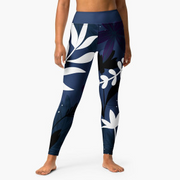
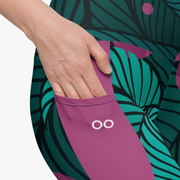
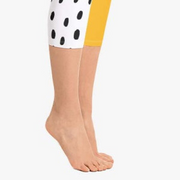
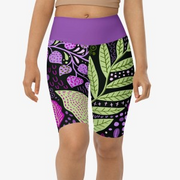
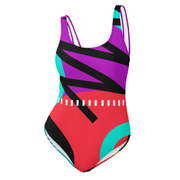
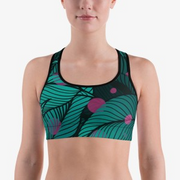
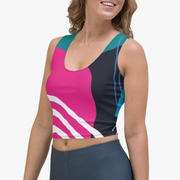
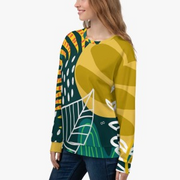


Sustainable activewear lets you move your body, feel great, and still care about the planet, so you do not have to pick between funky, colorful prints and your values. This guide walks you through how to choose sustainable activewear that fits your body, your workouts, and your eco conscious side.
What is sustainable activewear?
Sustainable activewear is athletic wear designed with eco-friendly materials and ethical production instead of quick, disposable fashion. It focuses on sustainable materials like organic cotton, recycled polyester, recycled nylon, and other eco-friendly fabrics that reduce environmental impact compared with conventional cotton and traditional synthetics. It also brings in ethical business practices, such as fair wages and safe factories, so everyone in the supply chain is treated with respect.
In simple terms, sustainable activewear has eco-friendly materials at its heart and backs them up with better manufacturing practices and longer lasting quality. When brands stop chasing fast fashion trends that fall apart after a few washes and focus on durable, well made pieces, you get gear that truly supports both your active lifestyle and the planet.
Here are some of the main sustainable fabrics you will see when you are choosing sustainable sportswear:
-
Organic cotton: Grown without toxic chemicals or harmful pesticides, which supports soil health and local water quality.
-
Recycled polyester: Made from post consumer plastic bottles and other recycled materials instead of virgin polyester.
-
Recycled nylon: Often created from discarded fishing nets and industrial waste, which reduces demand for new synthetic fibres.
-
Natural fibers such as organic cotton blends, hemp, or TENCEL that use more responsible sourcing and sometimes closed loop processes for solvents and water.
Once you understand what makes activewear sustainable, it becomes much easier to spot real sustainability instead of clever marketing.

Key materials in sustainable activewear
When you shop for eco-friendly activewear, the fabric label is your best friend. Sustainable materials are the foundation for everything else.
-
Organic cotton is a favorite for soft tees, yoga pants, and low impact days. It feels gentle on skin and avoids toxic chemicals used in conventional cotton, which helps both farm workers and the land. Farming methods that support soil health and biodiversity also reduce overall environmental impact.
-
Recycled fabrics are huge in the activewear industry now, especially in leggings and sports bras. Recycled polyester usually starts life as plastic bottles or other post consumer waste that gets cleaned, melted, and spun into new yarn. This switch from virgin polyester to recycled materials lowers the carbon footprint of each item and keeps plastic out of landfills and oceans. Recycled nylon often comes from old fishing nets, which turns a serious ocean problem into stretchy, durable high performance sportswear.
You will often see natural materials blended with synthetic materials to balance comfort and performance. Natural fibers like organic cotton or TENCEL add breathability and softness. Synthetic fibres, ideally in recycled form, bring compression, four way stretch, and moisture wicking material so your clothing supports high intensity training without going see through.
Some brands also play with innovative textiles that use moisture wicking technology, quick drying construction, and low impact dyes while still relying on recycled fabrics or other sustainable options. The more you read labels, the more you notice which activewear brands use sustainable materials and which ones lean on vague eco language.
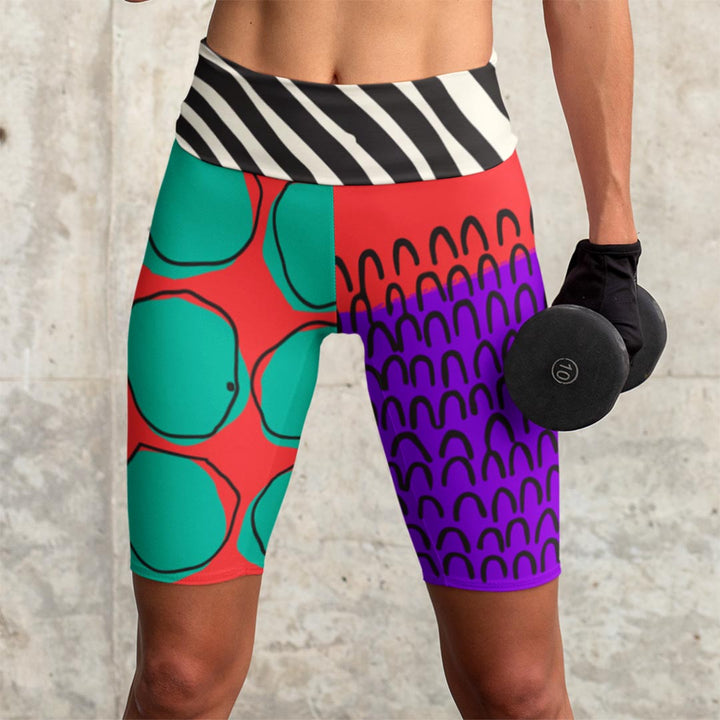
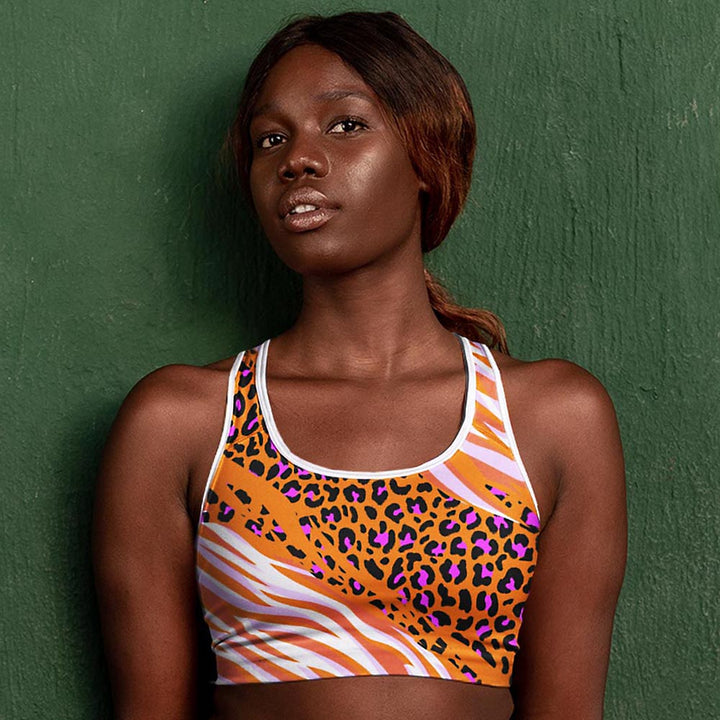
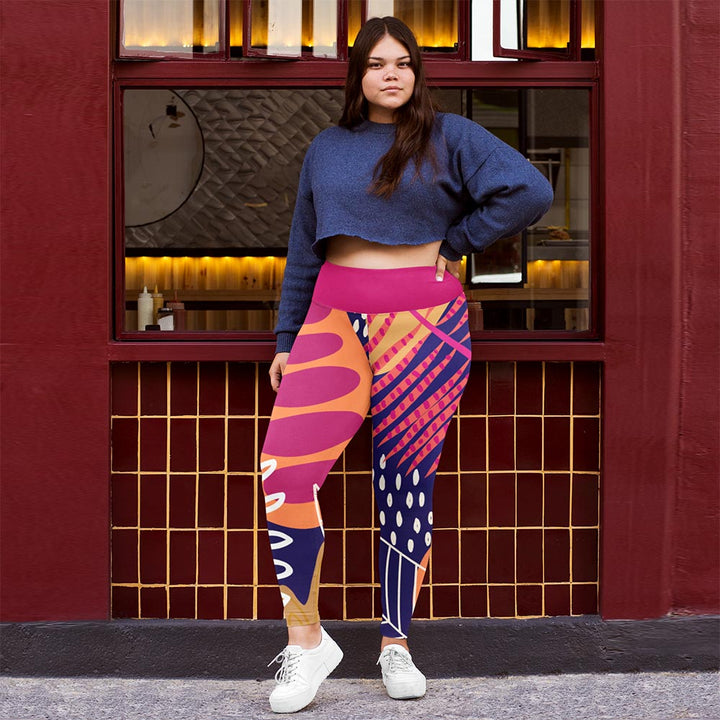
Shop Funky Patterned Leggings
The importance of ethical manufacturing
Materials are only half the story. Ethical activewear also depends on how each piece is made. Sustainable activewear enables ethical manufacturing when brands pair better fabrics with responsible factories and transparent supply chains.
Ethical manufacturing focuses on three main things:
-
Fair labor practices: Workers receive fair wages, reasonable hours, and safe conditions. Ethical brands talk openly about the factories they use and how they protect workers’ rights.
-
Lower carbon footprint: Smarter manufacturing processes cut energy use and reduce emissions, especially when factories rely more on renewable energy and efficient machinery.
-
Reduced water usage and pollution: Better dye houses use low impact dyes, water recycling, and proper wastewater treatment instead of releasing toxic chemicals into rivers.
Ethical brands back up their claims with clear information about manufacturing practices and supply chains. When you see details about where fabric is knitted, dyed, and stitched, you know the brand is more serious about true sustainability.
Understanding certifications and labels
Certifications are like tiny shortcuts when you shop. Sustainable activewear requires certifications if it wants to prove that its claims around materials and ethics have been checked by someone independent.
Two big names you will see a lot in sustainable fashion and eco friendly activewear are:
-
GOTS (Global Organic Textile Standard): Focuses on textiles made from organic fibers. It checks raw materials, limits toxic chemicals, and includes social criteria for workers, so you get a clear signal of strong environmental and ethical standards.
-
Fair Trade: Focuses on fair wages, safe working conditions, and community development for farmers and workers. In clothing, Fair Trade labels mean workers receive extra financial support and have a say in how that money is used.
Key certifications for sustainable activewear
|
Certification |
Description |
Benefits |
|
GOTS (Global Organic Textile Standard) |
International standard for textiles made from organic fibers, covering environmental rules and social criteria across the full production process |
Confirms organic content, strong limits on toxic chemicals, and better wastewater treatment |
|
Fair Trade |
Certification focused on improved working conditions and fair pay for farmers and workers, plus community investment |
Supports ethical production, fair wages, and better long term well being for workers |
These labels are not the whole picture, yet they are a strong sign of sustainable practices and ethical production. When a brand invests in certifications, it shows a higher level of commitment to true sustainability instead of surface level green claims.
Evaluating performance features
Now for the big question: can eco-friendly activewear perform as well as your favorite old gym set? The answer is yes. Sustainable activewear offers performance features that keep up with your training schedule while still using eco-friendly materials.
Watch for:
-
Moisture wicking: Recycled polyester and recycled nylon can move sweat away from your skin just as effectively as virgin polyester, which keeps you cooler and more comfortable in high intensity training.
-
Durability: Strong recycled fabrics and good construction mean leggings, sports bras, and tops hold their shape, color, and stretch for a long time. Long lasting quality is a form of sustainability because you replace items less often.
-
Comfort and fit: Soft, breathable fabrics and thoughtful design details, such as flat seams and wide waistbands, turn your gear into pieces you actually look forward to wearing.
Natural fibers like organic cotton shine for comfort and breathability in yoga, pilates, or daily wear. Recycled synthetics bring the support you want for running, spin classes, or heavy lifting. When brands get the blend right, you get high performance sportswear that feels amazing, looks fun, and lines up with your values.

Choosing the right size and fit
Even the most sustainable fabrics will sit in a drawer if the size feels off. A good consumer guide always highlights size and fit, because comfort is central to long term wear.
Use these steps to choose sustainable sportswear that fits your body and your style:
-
Use size guides
Always check the brand’s size guide before you buy. Match your measurements for waist, hips, and bust to their chart rather than guessing. -
Measure yourself
Use a tape measure on bare skin or thin clothing. Measure your waist at the narrowest point and hips at the fullest. Write the numbers down and keep them handy when you shop. -
Match fit to activity
-
For yoga or low impact workouts, choose softer, more relaxed fits that move easily.
-
For running or high intensity training, pick slightly more compressive styles to keep everything secure.
-
Check rise and length
High waisted leggings feel secure in squats and jumps. Ankle length, 7/8, or calf-length leggings can all work; choose what feels good on your body and suits your climate. -
Try and test
When possible, start with one piece or two sizes. Squat, lunge, and stretch at home to check for opacity, comfort, and whether waistbands stay put.
When you find inclusive sizing, comfortable fabrics, and designs that make you feel confident, you naturally wear those pieces again and again. That repeat wear is one of the most powerful sustainable choices you can make.
Bringing it all together
When you look for your next pair of yoga pants, sports bras, or printed leggings, you can follow a simple checklist:
-
Prefer organic cotton, recycled polyester, recycled nylon, or other sustainable fabrics over virgin polyester and conventional cotton.
-
Look for certifications like GOTS and Fair Trade that support claims around organic content and ethical labor practices.
-
Scan for clear information on ethical practices, manufacturing processes, and transparent supply chains, not just buzzwords.
-
Choose styles and fits that make you feel excited to move, because clothing you love and rewear often is the most sustainable option.
Looking For High-Quality, Ethical Gym Wear?
At Loony Legs, we pride ourselves on providing gym clothing that balances style with sustainability, comfort and practicality. Our range of funky patterned leggings, sports bras, stretchy tees and more are made from premium quality materials specifically designed for your comfort and flexibility - so you can always feel your best.
Check out our full range of ethically made gym wear today, and find the perfect style for you!
FAQs
Why does sustainable activewear talk so much about harmful chemicals?
Because traditional production often relies on harmful chemicals in farming, dyeing, and finishing, which can affect workers, local communities, and ecosystems. Sustainable brands work to cut these out by using safer dyes, stricter standards, and more environmentally friendly production methods, so your leggings are kinder to both your skin and the planet.
How is sustainable activewear an eco-friendly alternative to regular gym clothes?
Sustainable activewear swaps resource heavy, traditional production for more responsible sourcing, recycled fabrics, and better factory practices. That makes it an eco friendly alternative, since it usually uses less water, fewer toxic substances, and more thoughtful production methods from fiber to finished garment.
What should I look for in sustainable brands to know they are truly environmentally friendly?
Check whether they explain their production methods clearly, share details about materials, and talk honestly about where they still need to improve. Sustainable brands that feel genuinely environmentally friendly usually highlight things like certifications, long lasting quality, and specific steps they are taking to move away from wasteful traditional production.